FUMD-AI: EOSC-PL Infrastructure to Support AI Model Training for Urban Mobility Research
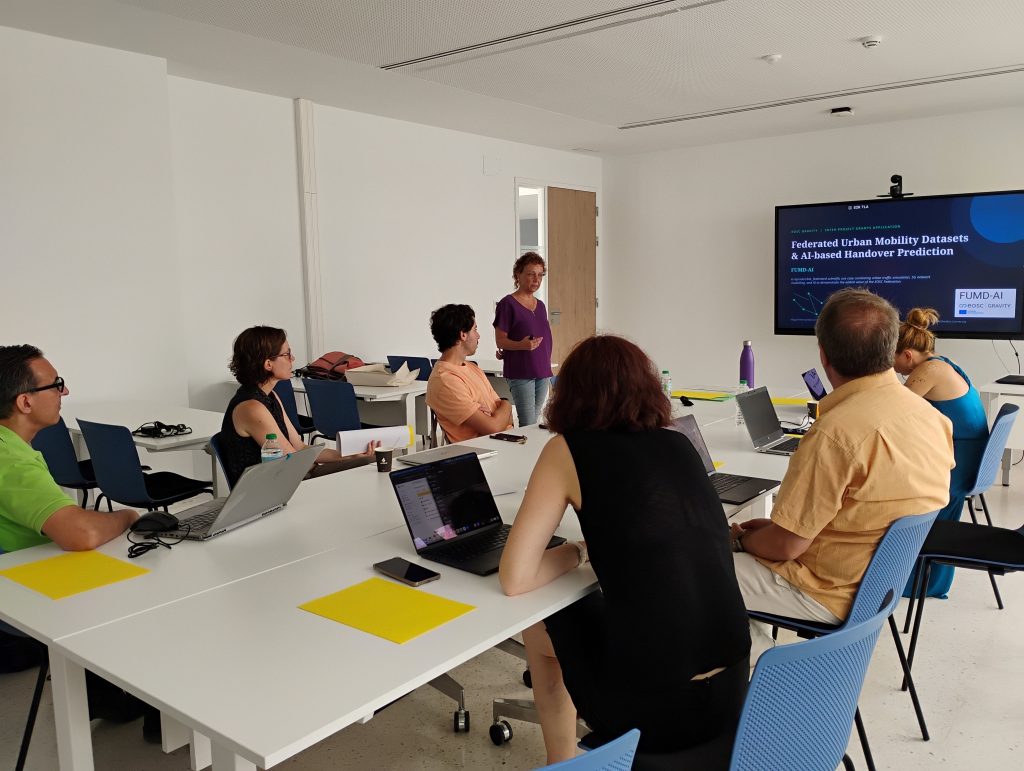
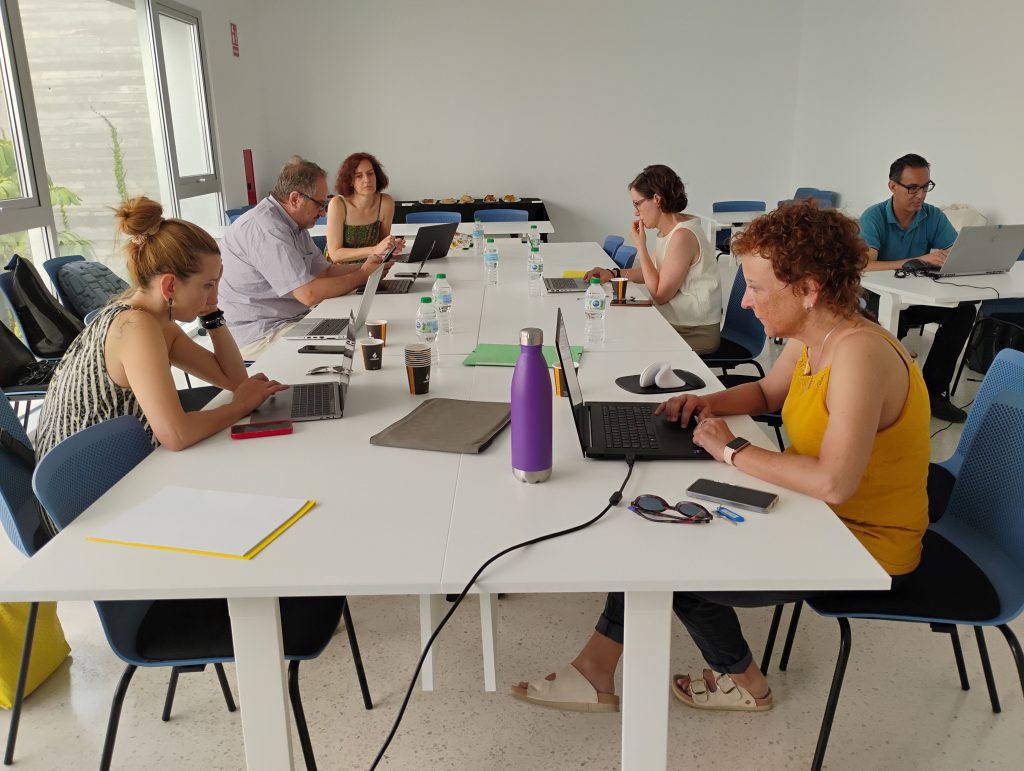
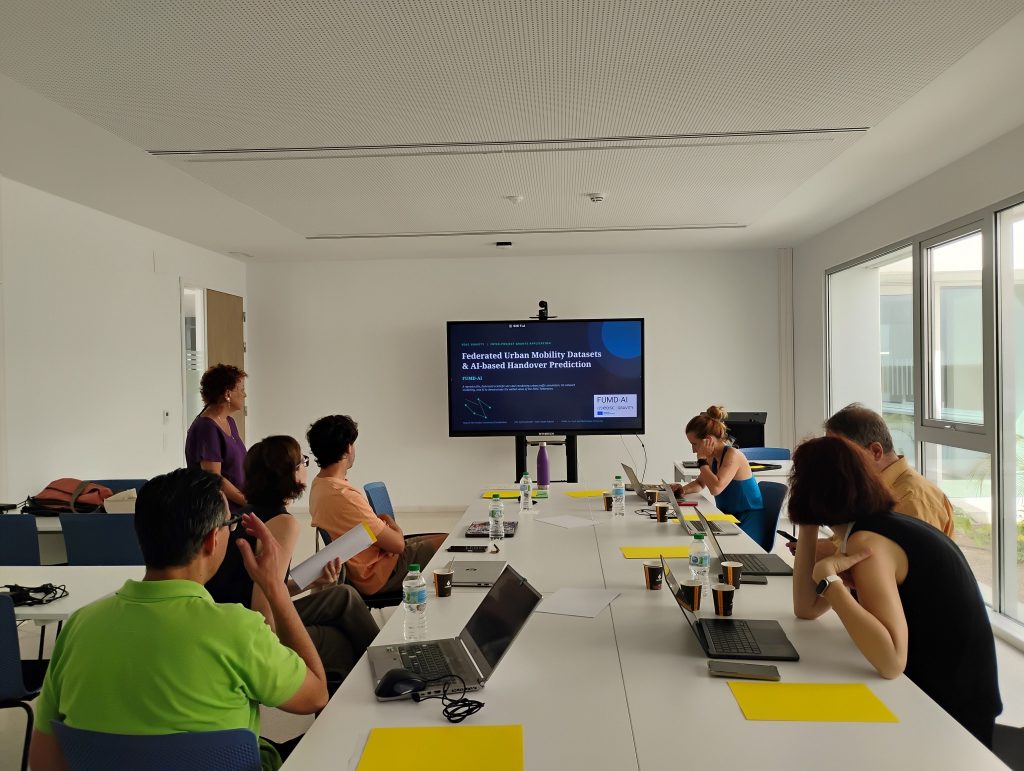
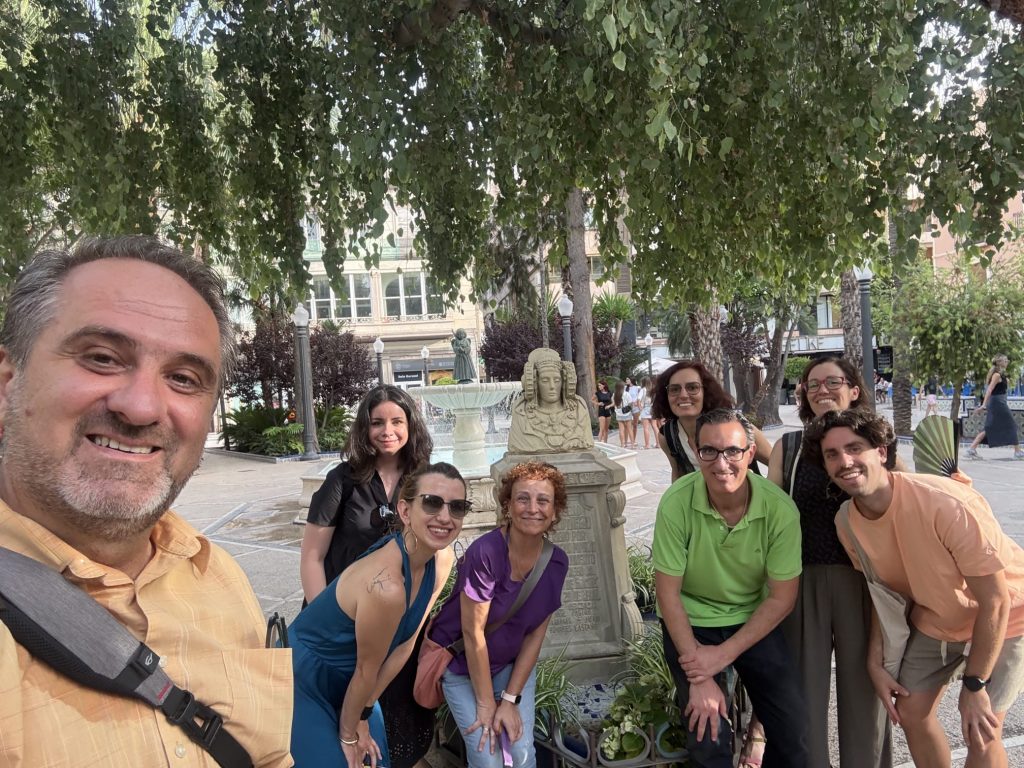
On 14-16 July 2026 partners of the Federated Urban Mobility Datasets and AI-based Handover Prediction (FUMD-AI) project gathered in Alicante for their first consortium meeting.
Project participants are developing a use case that leverages EOSC Federation resources to create a fully reproducible workflow for generating urban mobility datasets and training AI models capable of predicting which base station a vehicle will connect to next based on its historical mobility patterns. This capability has real implications for smoother, more reliable connected driving experiences. This is one of the key challenges facing the next generation of transportation systems. At the current stage, the AI training workflow is being developed using mobility datasets from Alicante. The team then plans to test it on data collected in Kraków and use it to build a new model tailored to the city.
The Academic Computer Centre Cyfronet AGH, represented at the meeting by Roksana Wilk, will provide, on behalf of the EOSC-PL node, data storage space, interactive computational notebooks, and dataset hosting services. Meanwhile, the Faculty of Computer Science and Engineering at Ss. Cyril and Methodius University in Skopje, represented by Anastas Mishev and Sonja Filiposka, will make available GPU-equipped infrastructure to support the computationally intensive process of training AI models. The consortium meeting was organized by the project coordinator, Miguel Hernández University of Elche, represented by Katja Gilly De La Sierra-Llamazares, Cristina Bernad Canto, and Salvador Alcaraz Carrasco.
The outcomes of the FUMD-AI project will be thoroughly documented and shared in accordance with the principles of FAIR data and Open Science, enabling other researchers to reproduce the results, adapt the scenarios to different cities and traffic densities, and extend the model for further research.
FUMD-AI is one of twenty-three projects selected for funding under the EOSC Gravity project, coordinated by the EOSC Association. Further information about the call and the funded projects can be found on the EOSC website.